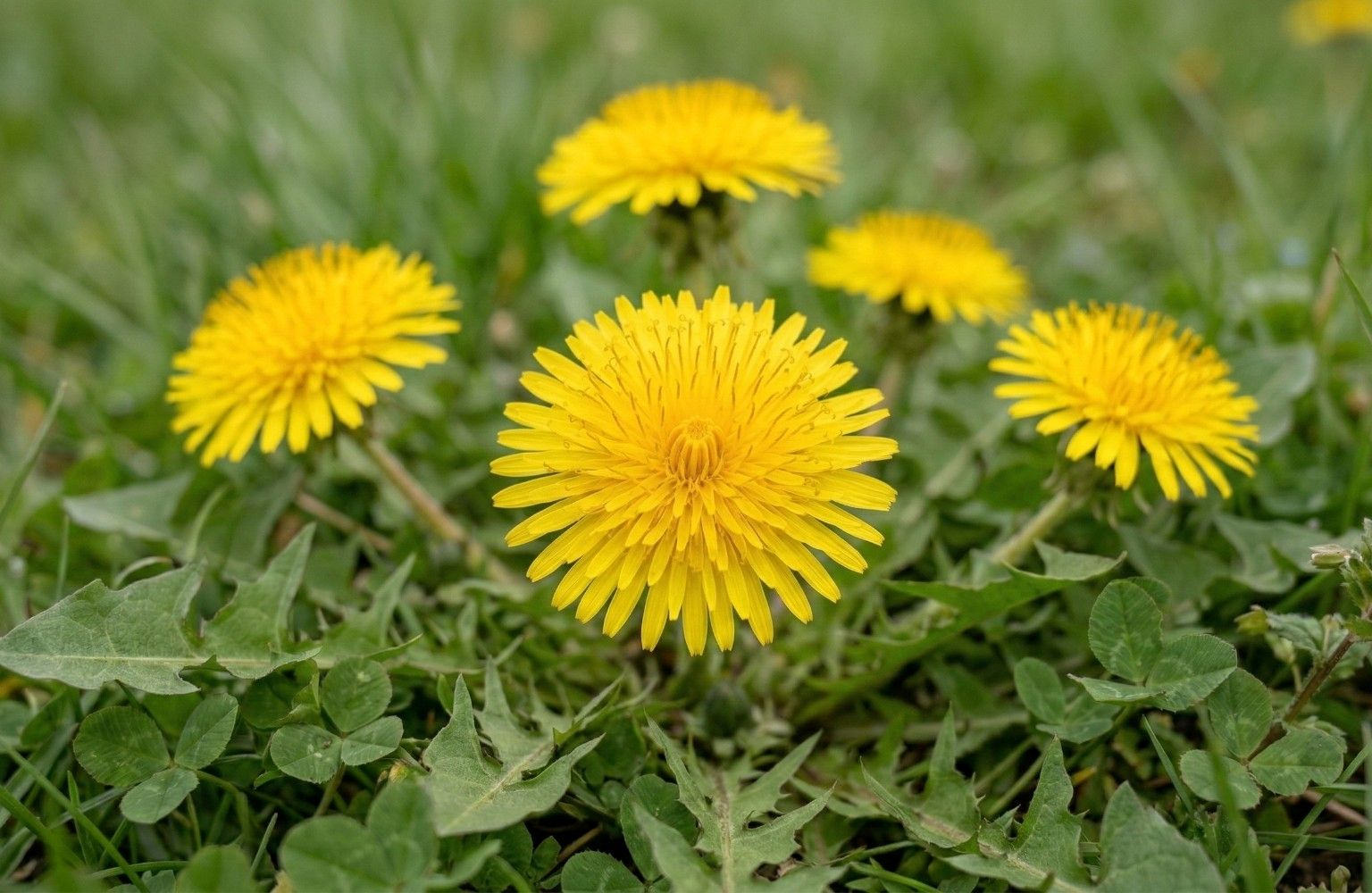
When early spring arrives, the garden slowly begins to awaken. Before many cultivated vegetables are ready to harvest, nature already offers something generous and often overlooked — the humble dandelion.
For generations across Europe, dandelion has been valued as one of the first edible greens of the season. Its bright yellow flowers may be familiar to everyone, but the young leaves are equally treasured in traditional kitchens, where they bring freshness, vitality and a gentle bitterness that awakens the palate after winter.
Learning to recognise and harvest dandelion is one of the simplest ways to reconnect with seasonal food and the quiet rhythm of the garden.
Recognising Dandelion
Dandelion (Taraxacum officinale) grows abundantly in meadows, gardens and along quiet paths. It is easy to identify by its deeply toothed leaves arranged in a rosette close to the ground.
In early spring the leaves are tender and vibrant green, making them ideal for salads. As the plant matures, the leaves become more bitter and are better suited for cooking.
The familiar yellow flowers eventually transform into the delicate white seed heads that drift away in the wind.

When to Harvest
The best time to harvest dandelion leaves is early spring, when the plants are still young.
Look for leaves that are:
• small and tender
• bright green
• growing before the flower stems appear
These young leaves have a pleasantly mild bitterness that pairs beautifully with ingredients like olive oil, lemon and chickpeas.
Avoid harvesting from roadsides or areas that may have been treated with chemicals.

Harvesting in the Garden
If dandelion grows naturally in your garden, you already have a wonderful edible plant at your fingertips.
To harvest:
- Use scissors or a small knife to cut the outer leaves.
- Leave the centre of the plant intact so it can continue growing.
- Rinse the leaves gently in cold water before using.
A small basket of freshly picked leaves is often enough for a beautiful spring salad.
Why Dandelion Has Been Valued for Centuries
Dandelion has long been appreciated in traditional herbal and rural cooking.
The leaves contain valuable minerals, vitamins and bitter plant compounds that have historically been used to support digestion and seasonal renewal. After the heavier foods of winter, these fresh greens were often welcomed as a natural way to reintroduce lightness to the table.
Even today, many Mediterranean and Central European kitchens still welcome wild greens such as dandelion as part of their seasonal traditions.
From Garden to Table
One of the most beautiful ways to enjoy dandelion is simply in a fresh spring salad.
Young leaves pair wonderfully with chickpeas, sun-dried tomatoes, fragrant herbs and a bright lemon dressing. The natural bitterness of the greens balances richer ingredients and creates a salad that feels both vibrant and nourishing.
If you would like to try it yourself, you can find the full recipe here:
→ Wild Dandelion Salad with Chickpeas and Sun-Dried Tomatoes

A simple dish that captures the essence of early spring — fresh greens, garden herbs and the quiet pleasure of seasonal cooking.
Take a moment. Breathe in the season. Let the ritual linger a little longer.
Welcome to HomeGardenFlow.